
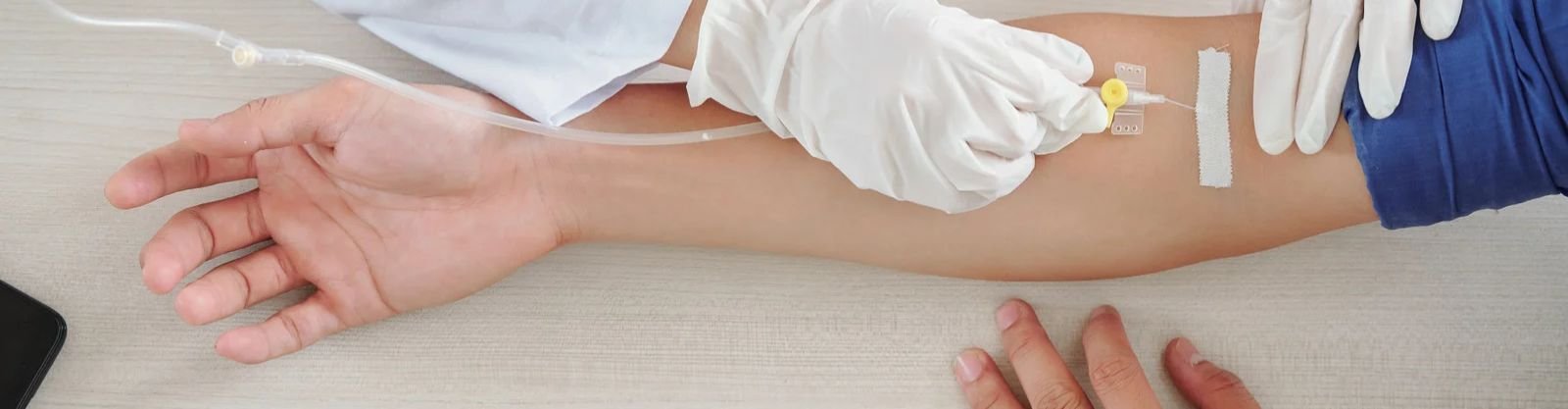
IV Nutrition & Iron Infusion Therapy in Brampton
Explore IV nutrient therapy and iron infusion therapy at Derma Capital Laser Clinic. Learn about how intravenous nutrients are delivered, clinical considerations, potential benefits, bloodwork, safety and individualized treatment assessment.
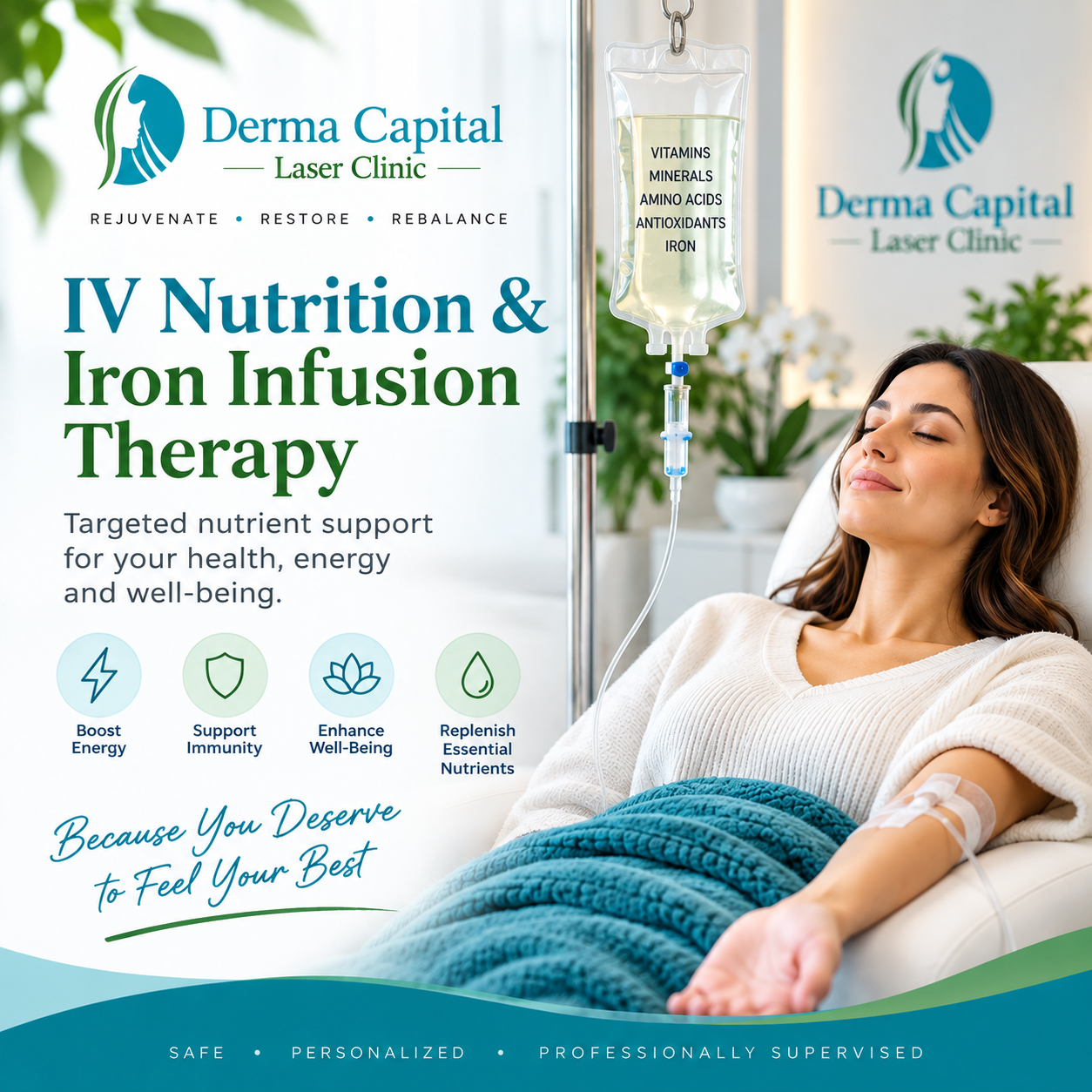
What Is IV Nutrient Therapy?
Understanding how intravenous nutrient therapy works and why the delivery route matters.
IV nutrient therapy involves the administration of vitamins, minerals and micronutrients directly into the bloodstream through an intravenous route.
Historically, intravenous nutrient and fluid administration has been used in hospital medicine, including parenteral nutrition and critical-care settings. The educational material also discusses selected clinical uses involving nutrient deficiency and situations where oral administration may not be appropriate.
Because IV administration delivers nutrients directly into circulation, it differs from oral supplementation in the way nutrients enter and move through the body.
IV Delivery vs Oral Supplementation
The delivery route changes how nutrients enter the body. IV administration bypasses gastrointestinal absorption and delivers the administered nutrients directly into the bloodstream.
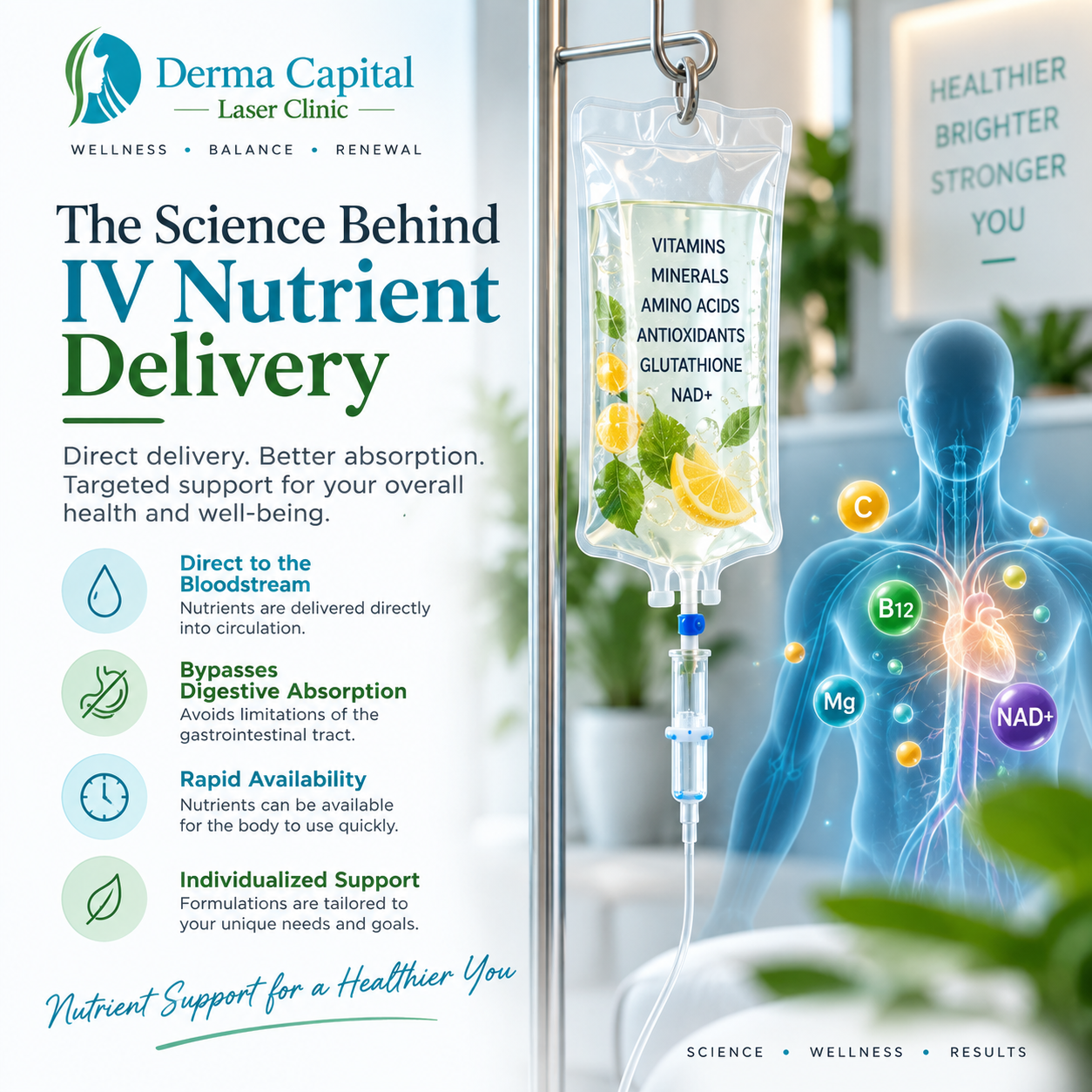
The Science Behind IV Nutrient Delivery
IV administration introduces nutrients directly into the bloodstream rather than requiring the digestive system to absorb them first.
The educational material describes direct distribution through circulation and rapid availability following administration.
However, rapid delivery does not automatically mean a sustained effect. Individual response may depend on baseline nutritional status, formulation, dose, frequency, metabolism and other clinical factors.
- Direct delivery into the bloodstream
- Bypasses gastrointestinal absorption
- Rapid availability following administration
- Individual response can vary
- Clinical assessment remains important
IV Therapy: Evidence & Clinical Considerations
IV nutrient therapy should be considered in the context of evidence, clinical indications, individual needs and appropriate safety assessment.
Nutrient Deficiency
The educational material identifies documented or significant deficiencies and selected clinical situations as areas where nutrient replenishment may have an established medical role.
Evidence Varies
Evidence varies according to the nutrient, condition and patient population. The source notes that high-quality randomized controlled trials are limited for some wellness applications.
Individual Assessment
Treatment selection should consider medical history, medications, symptoms, nutritional status, laboratory findings and other relevant factors.
Responsible Communication About IV Therapy
The educational material recommends responsible language such as “supports,” “may help,” “plays a role,” and “used as adjunctive therapy” rather than presenting IV therapy as a guaranteed cure or promising a specific result.
Nutrients Discussed in IV Therapy
The educational material discusses several vitamins, minerals and compounds used in individualized IV nutrient formulations.
Vitamin C
Vitamin C is an essential water-soluble vitamin involved in normal physiological functions. The material discusses IV administration compared with oral supplementation.
B-Complex
B vitamins participate in normal energy metabolism and other physiological processes. The source also discusses possible adverse effects associated with excessive intake of certain B vitamins.
Vitamin B12
Cyanocobalamin and vitamin B12 are discussed as components of nutritional supplementation and nutrient support.
Magnesium
Magnesium is discussed as an important mineral and as an ingredient in traditional IV nutrient formulations.
Glutathione
Glutathione is discussed in relation to antioxidant activity and proposed applications while also recognizing potential risks from inappropriate use.
NAD+
NAD+ is involved in cellular energy metabolism and is discussed in the educational material in relation to cellular function and aging research.
Myers’ Cocktail IV Therapy
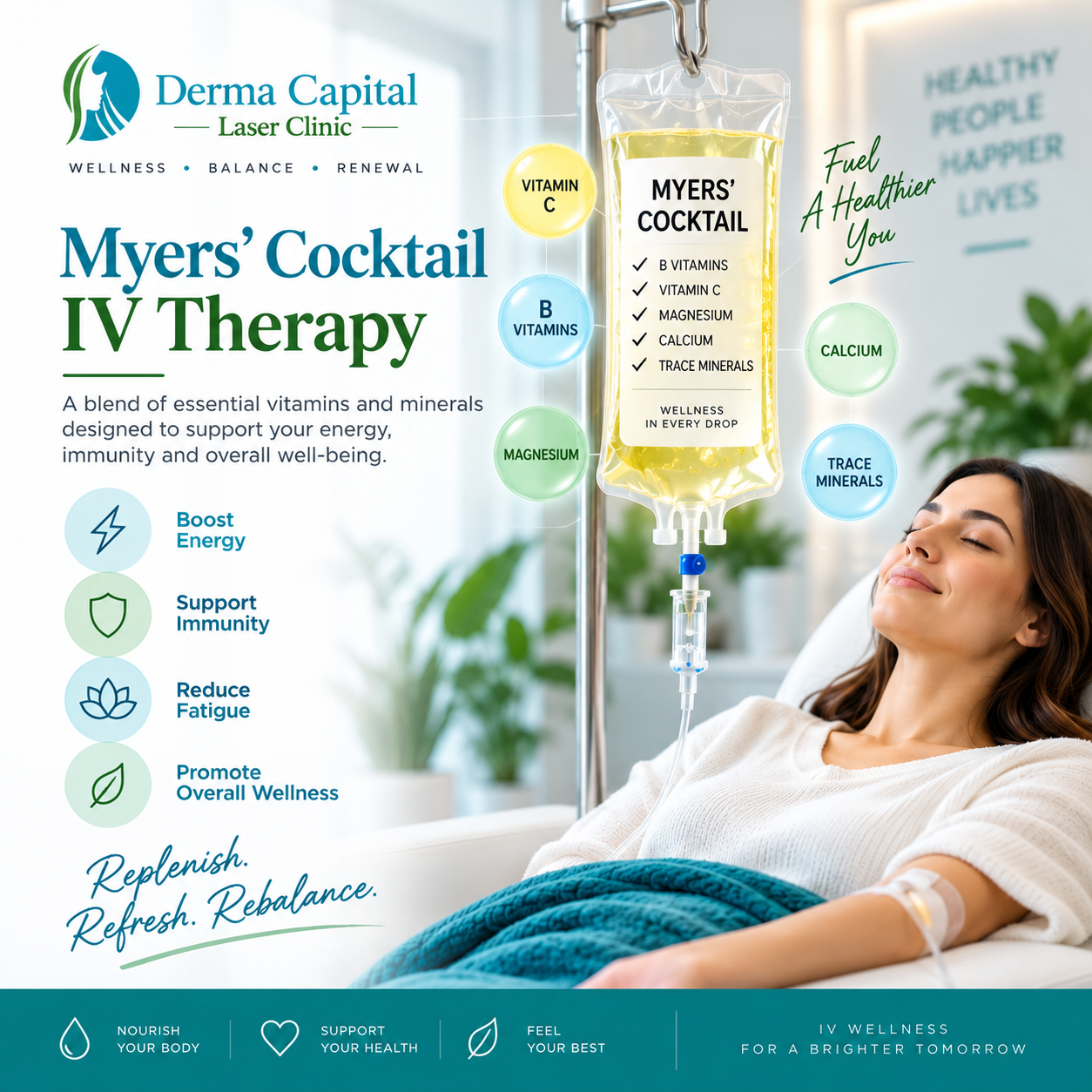
The Myers’ Cocktail is a nutritional IV formulation discussed in the educational material. The source attributes its development to Dr. John Myers in Baltimore during the 1970s.
The formulation described includes combinations of B vitamins, vitamin C, magnesium chloride and calcium-related ingredients.
Formulation, dosing and administration should be individualized according to clinical assessment.
- B vitamins
- Vitamin C
- Magnesium
- Calcium-related ingredients
- Individualized administration
Vitamin C, Glutathione, B-Complex & NAD+
Individual nutrients discussed in the IV therapy educational material.
Vitamin C IV
Vitamin C is a water-soluble vitamin involved in normal physiological processes. The source compares IV and oral administration and discusses vitamin C in the context of nutritional status.
Glutathione IV
Glutathione is discussed for its antioxidant role and proposed applications in skin and cellular health. Potential adverse reactions are also discussed in the source.
B-Complex IV
B-complex vitamins contribute to normal metabolic processes. The source notes that excessive amounts of certain B vitamins may cause adverse effects.
NAD+ and Cellular Function
NAD+ is a coenzyme involved in cellular energy metabolism. The educational material discusses its relationship with ATP production, metabolism, circadian processes and cellular function while recognizing that clinical responses and evidence can vary.
IV Therapy Safety & Potential Risks
IV therapy uses an invasive route of administration, making appropriate clinical screening and safety procedures important.
Potential IV Complications
- Infiltration
- Hematoma
- Phlebitis or thrombophlebitis
- Extravascular injection
- Intra-arterial injection
- Air embolism
- Nutrient overload
- Medication or nutrient interactions
- Infection associated with IV access
The educational material also emphasizes emergency preparedness, including oxygen, emergency medications and up-to-date CPR training where clinically indicated.
Iron Infusion Therapy in Brampton
Iron infusion therapy is discussed as an option for selected patients with iron deficiency or situations where oral iron may not be suitable, tolerated or sufficiently effective. Laboratory testing and clinical assessment are important when determining whether iron infusion is appropriate.
When May Iron Infusion Be Considered?
The educational material identifies several circumstances that may be considered during an assessment of iron deficiency and suitability for IV iron.
- Documented iron deficiency
- Poor response to oral iron after an appropriate treatment period
- Intolerance to oral iron
- Gastrointestinal side effects associated with oral iron
- Malabsorption, including selected gastrointestinal or bariatric conditions
- Laboratory findings consistent with iron deficiency
Clinical Assessment Comes First
Iron infusion should not be determined from symptoms alone. The source material emphasizes laboratory assessment and clinical context when evaluating iron status.
Iron Deficiency & Bloodwork Assessment
Iron status is assessed using laboratory markers together with the patient's clinical history and individual circumstances.
Ferritin
Ferritin is used as a marker of stored iron. The source identifies low ferritin as an important indicator of iron deficiency while noting that ferritin may also be affected by inflammation.
Transferrin Saturation (TSAT)
TSAT provides information about iron availability. The educational material discusses low TSAT values in the assessment of iron deficiency.
Hemoglobin
Hemoglobin is considered together with iron studies when evaluating anemia and overall iron status.
ESR & CRP
Inflammatory markers such as ESR and CRP may provide additional context when interpreting ferritin and assessing possible functional iron deficiency.
Understanding Iron Status
The source material discusses ferritin, TSAT, ESR, CRP and platelet findings as part of a broader clinical assessment. Individual laboratory values should be interpreted in their appropriate clinical context.
Iron Infusion Safety & Contraindications
A thorough medical assessment is important before intravenous iron therapy is considered.
Situations Requiring Careful Assessment
- Known hypersensitivity to IV iron
- Acute infection
- Iron overload or hemochromatosis
- Certain autoimmune conditions
- Liver disease
- Pregnancy considerations
- Uncontrolled asthma or eczema
- Previous hypersensitivity reactions
The source material emphasizes appropriate screening, monitoring and emergency preparedness because hypersensitivity reactions, although uncommon, can potentially be serious.
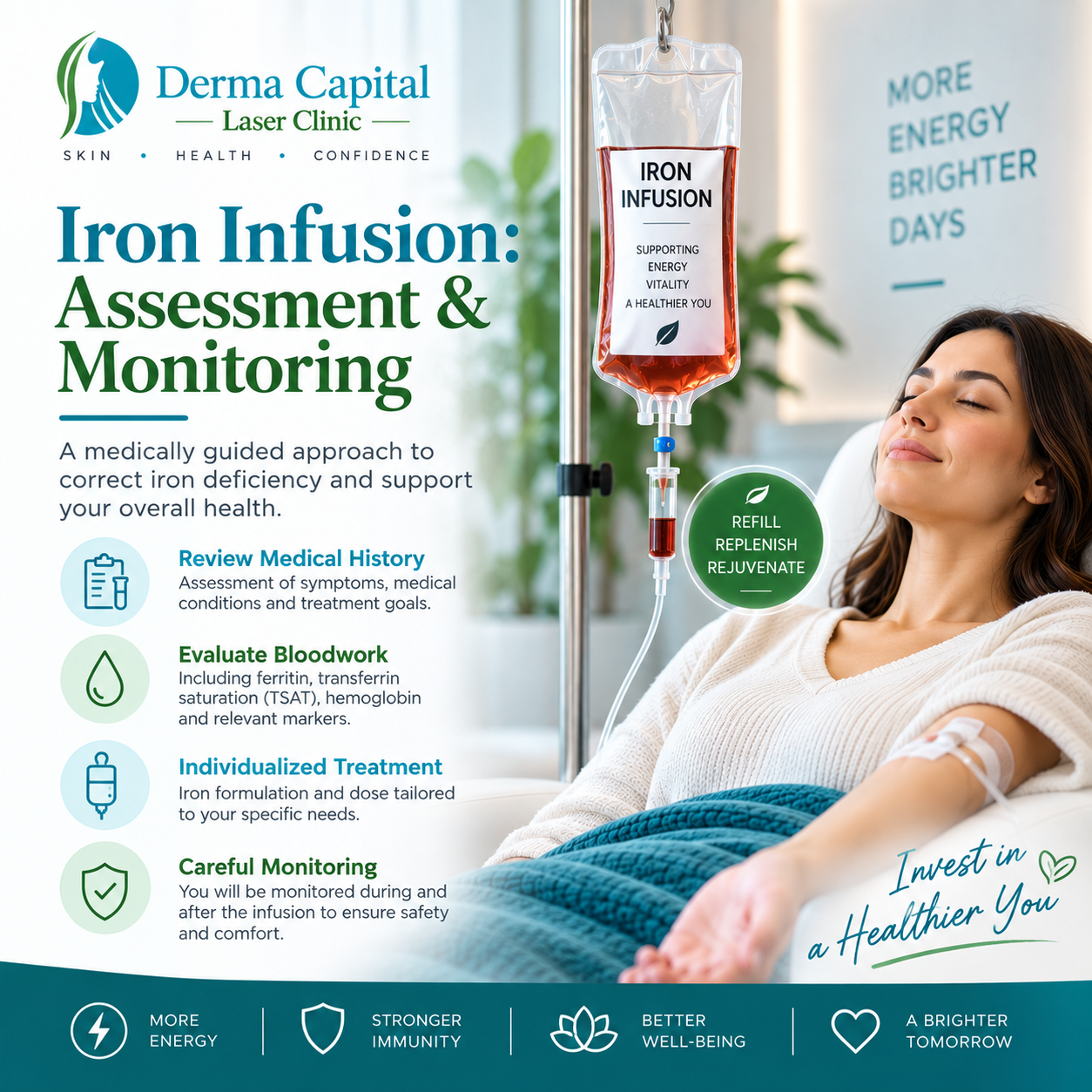
Iron Infusion: Assessment & Monitoring
Iron infusion treatment begins with reviewing medical history and appropriate laboratory information.
The source material discusses individualized dosing, infusion monitoring and careful IV access procedures. The treatment plan can depend on the patient's iron status, clinical circumstances and the selected iron formulation.
Patients should be monitored during treatment for possible adverse reactions, with appropriate emergency procedures available when clinically required.
Oral Iron vs IV Iron
The educational material provides a general comparison of oral and intravenous iron administration.
| Parameter | Oral Iron | IV Iron |
|---|---|---|
| Dose | 60–90 mg daily | Individualized |
| Duration | Often 3 months or longer | May involve fewer treatments depending on the selected formulation and iron requirement |
| Administration | Oral | Intravenous |
| GI Side Effects | Commonly associated with oral iron | Different adverse-effect profile |
| Hypersensitivity | Different risk profile | Rare but potentially serious reactions require appropriate monitoring |
Preventing IV Extravasation
The educational material specifically discusses preventing extravasation during iron infusion, sometimes referred to as an “iron tattoo.”
- Appropriate IV access and vein selection
- Secure the IV line and confirm patency
- Monitor the IV site throughout infusion
- Stop the infusion if swelling or significant pain develops
- Follow appropriate clinical IV access and infusion protocols
Possible Side Effects & Adverse Reactions
Understanding possible reactions is an important part of informed clinical decision-making.
Common Reactions
The source lists IV-site irritation, nausea, diarrhea, urticaria or hives, hypotension, headache and muscle cramps among possible reactions.
Hypersensitivity
Hypersensitivity reactions to IV iron are uncommon but can potentially be serious. Appropriate monitoring is therefore important.
Iron Overload
Excess iron can accumulate and cause harm. Iron status should therefore be assessed before administering iron therapy.
Read Our Full IV Nutrition & Iron Infusion Guide
Explore the complete educational guide covering IV nutrient therapy, vitamins and nutrients, Myers’ Cocktail, Vitamin C, Glutathione, B-Complex, NAD+, iron infusion, bloodwork, safety considerations and clinical assessment.
Read the Full IV Therapy PDFIV Therapy Frequently Asked Questions
What is IV nutrient therapy?
IV nutrient therapy delivers selected vitamins, minerals or other nutrients directly into the bloodstream through an intravenous route.
Is IV therapy the same as taking vitamins orally?
No. IV administration delivers nutrients directly into circulation, while oral supplements must pass through the digestive system before absorption.
What is an iron infusion?
An iron infusion is a method of administering iron intravenously. It may be considered for selected patients when iron deficiency is documented and oral iron is unsuitable, poorly tolerated or insufficient.
What blood tests may be reviewed before an iron infusion?
Depending on the clinical situation, assessment may include ferritin, transferrin saturation, hemoglobin and inflammatory markers such as ESR or CRP.
Is IV therapy suitable for everyone?
No. Suitability depends on an individual's health history, medications, nutritional status, laboratory results and clinical assessment.
Can IV therapy guarantee a specific result?
No treatment should be presented as guaranteeing a particular outcome. Individual responses can vary, and treatment should be discussed in the context of appropriate clinical assessment.
Explore IV Nutrition & Iron Infusion Therapy in Brampton
If you are considering IV nutrient therapy or iron infusion, a clinical assessment can help determine whether the treatment is appropriate for your individual circumstances.
Learn More About IV TherapyImportant: This webpage is provided for general educational information and does not replace individualized medical assessment, diagnosis or treatment. IV nutrient therapy and iron infusion therapy may not be appropriate for everyone. Treatment decisions should be based on an individual's medical history, clinical assessment, laboratory findings and other relevant factors. Potential benefits, risks, contraindications and treatment options should be discussed with an appropriately qualified healthcare professional.